
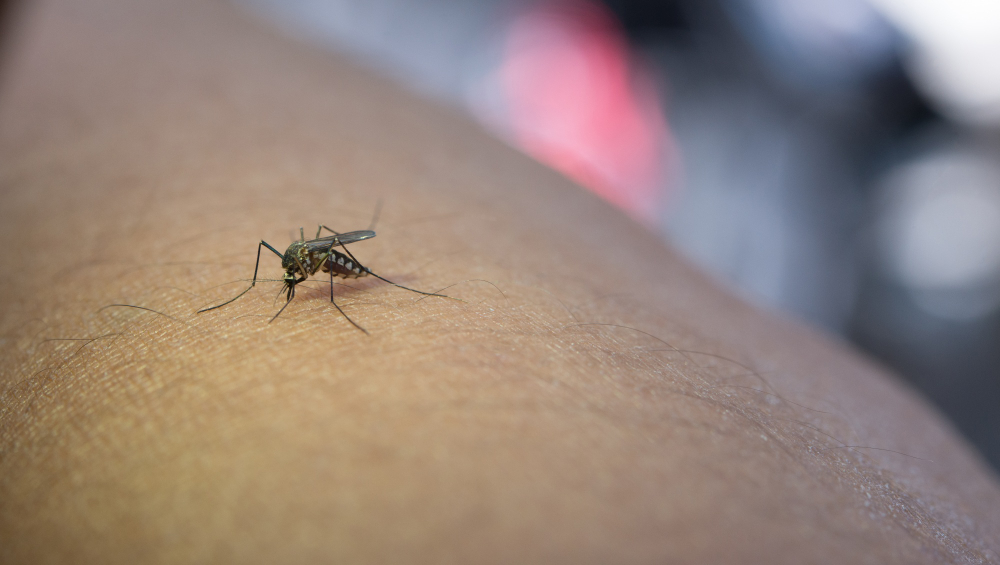
Malaria is a serious disease caused by parasites spread through mosquito bites. It can make people very sick and, in some cases, be life-threatening. Because malaria is common in many parts of the world, malaria prevention is very important. By following simple steps, you can lower your risk and protect your health. In this blog, you will learn about malaria, why prevention matters, and the best malaria prevention tips to help you stay safe.
What is Malaria?
Malaria is an illness caused by tiny parasites called Plasmodium. These parasites enter the body when a person is bitten by an infected mosquito. Once inside, they travel to the liver and then into the blood, causing fever, chills, and other symptoms. Malaria spreads mostly in warm, tropical areas where mosquitoes are common. For example, many countries in Africa, Asia, and South America have high rates of malaria. Each year, millions of people get sick, and many children are affected. Because of this, malaria is a major global health problem.
Why is Malaria Prevention Important?
Malaria can cause serious health problems. If not treated quickly, it can lead to severe illness, brain damage, or even death. Children under five and pregnant women are at higher risk. In addition, malaria can spread quickly in communities, making it hard to control. Therefore, taking steps to prevent malaria protects not only you but also your family and neighbors. Prevention is always better than cure, especially in areas where malaria is common.
Top Tips to Prevent Malaria
By following these malaria prevention tips, you can greatly reduce your risk of getting sick. For example, using a bed net can protect you while you sleep, and wearing protective clothing adds another layer of safety. If you plan to visit a place where malaria is common, always ask your doctor about the right medicine to take.
Additional Lifestyle Guidance
Keeping your surroundings clean helps prevent malaria. For instance, make sure there is no standing water in flower pots, buckets, or old tires. Mosquitoes lay eggs in still water, so removing it can stop them from multiplying. In addition, work with your neighbors to clean up shared spaces. Community action makes a big difference in fighting malaria. Together, you can protect everyone in your area.
When to Seek Medical Help
Even with good prevention, it is important to know the warning signs of malaria. Seek medical help right away if you notice:
If you have traveled to a malaria area and feel sick, see a doctor as soon as possible. Early treatment can save lives.
Reliable Resources
For more information on how to avoid malaria and protect against malaria, use trusted sources. The World Health Organization (WHO) and the Centers for Disease Control and Prevention (CDC) offer up-to-date advice. You can also find helpful tips in peer-reviewed medical journals. Always rely on these sources for the latest malaria prevention guidelines.
Conclusion & Call-to-Action
In summary, malaria prevention is key to staying healthy. Use bed nets, wear protective clothing, apply repellents, and keep your environment clean. Take prescribed medicine if you travel to risky areas. If you feel unwell, seek medical help quickly. Consult a healthcare professional for personalized malaria prevention advice.