
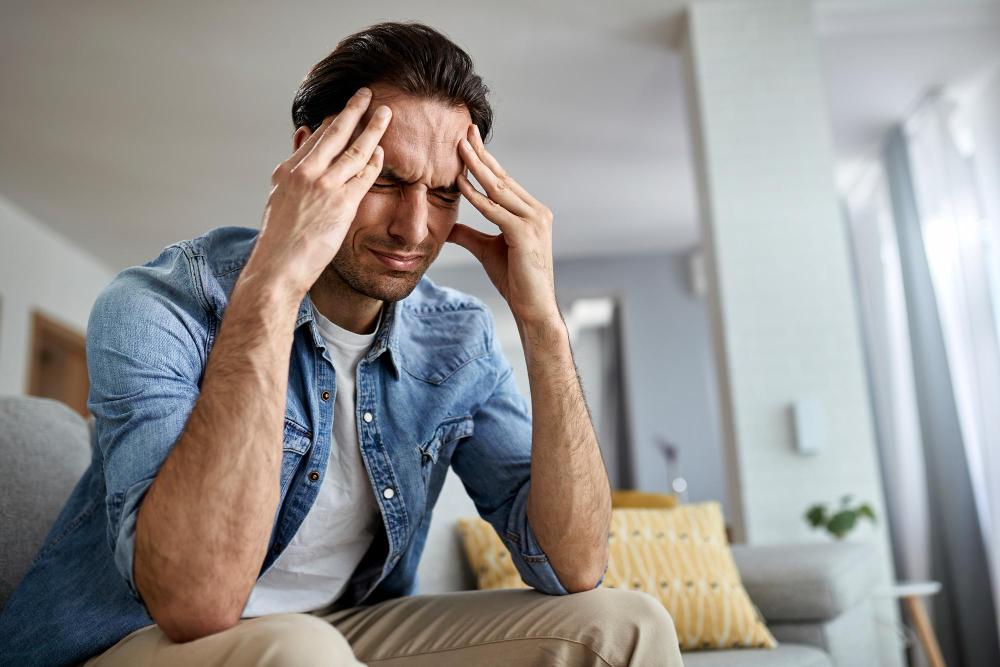
What Is a Headache?
A headache is a pain or discomfort in the head or upper neck. Most people experience headaches at some point in their lives. While many headaches are mild, some can be more severe. Because headaches are common, it is important to know the different headache symptoms. This helps you understand when to seek help. According to the World Health Organization (WHO), headaches are one of the most frequent nervous system disorders worldwide.
Common Headache Symptoms
Headache symptoms can vary from person to person. However, some signs of headache are more common. Knowing these can help you describe your pain to your doctor. For example, you might feel:
Sometimes, headaches come with other symptoms. For instance, you may notice changes in vision or feel dizzy. If you have these, it is important to pay attention.
Warning Signs: When to Seek Medical Help
Most headaches are not dangerous. Still, some headache symptoms can signal a serious problem. If you notice any of the following, seek medical help right away:
Because these signs may point to serious conditions, do not wait to get help. The Centers for Disease Control and Prevention (CDC) also advises seeing a doctor if your headache is different from your usual pattern.
Causes and Triggers of Headaches
There are many types of headaches. Each type has its own causes and triggers. For example, some common causes include:
In addition, some people get headaches from medical conditions. These include sinus infections, high blood pressure, or migraines. Knowing your triggers can help you avoid future headaches.
Diagnosis: How Doctors Evaluate Headaches
Doctors use several steps to diagnose headache symptoms. First, they ask about your pain and other symptoms. Next, they may check your medical history. Sometimes, they perform a physical exam. If needed, your doctor might order tests, such as blood work or brain scans. These steps help rule out serious causes. Most headaches do not need special tests. However, your doctor will decide what is best for you.
Tips for Managing Headache Symptoms
There are many ways to manage headache symptoms at home. For mild headaches, you can try:
But if your headache does not improve, or if you have warning signs, see a doctor. Sometimes, prescription medicine or other treatments are needed.
Prevention: How to Reduce Headache Risk
While not all headaches can be prevented, you can lower your risk. Try these tips:
By making these changes, you may notice fewer headaches over time. If you have frequent headaches, keep a diary. This can help you and your doctor find patterns and triggers.
If you experience severe or persistent headache symptoms, consult a general physician for personalized advice.