
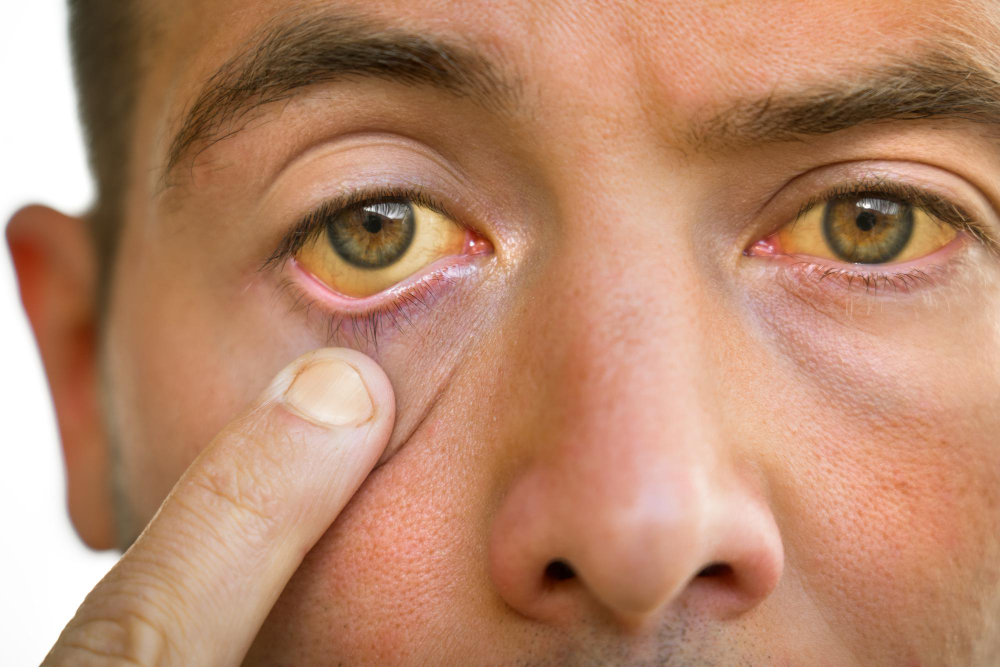
What is Jaundice?
Jaundice is a condition where the skin and eyes turn yellow. This happens when there is too much bilirubin in the blood. Bilirubin is a yellow substance made when the body breaks down old red blood cells. Many people ask, “What is jaundice?” or want to know about jaundice symptoms and the causes of jaundice. While jaundice itself is not a disease, it is often a sign of another health problem. For example, it can show that the liver is not working well. According to the World Health Organization (WHO), jaundice is common in newborns but can affect people of all ages.
Causes of Jaundice
There are several causes of jaundice. Most often, it happens when the liver cannot process bilirubin properly. Sometimes, it is due to a blockage in the tubes that carry bile. In other cases, the body makes too much bilirubin. Here are some common causes of jaundice:
In some regions, such as parts of Asia and Africa, infections like hepatitis are a leading cause of jaundice. However, in other places, alcohol-related liver disease is more common. Because the causes can vary, it is important to see a doctor for the right diagnosis.
Symptoms of Jaundice
The most well-known symptom of jaundice is yellow skin and eyes. However, there are other signs to watch for. Early detection can help prevent serious problems. Here are some common jaundice symptoms:
Sometimes, symptoms can be mild and easy to miss. But if you notice yellow skin or eyes, it is important to seek medical advice. In newborns, jaundice can appear within the first week of life. While most cases are harmless, some need treatment right away.
Conclusion
Jaundice is a sign that something may be wrong with the liver or blood. Because the causes of jaundice can be serious, early detection is key. If you notice symptoms of jaundice, consult a healthcare professional for proper diagnosis and treatment. Quick action can help prevent complications and keep you healthy.